
The Instagram Stories Generation Can’t Sit Still With Their Thoughts
Here’s an uncomfortable truth: most of us have forgotten how to think without an audience. We’ve replaced genuine self-reflection with performative vulnerability, trading the messy work of understanding ourselves for the instant gratification of likes and comments. The result is a generation that documents everything but understands nothing.

Real journaling isn’t content creation. It’s not therapy speak wrapped in aesthetic layouts for TikTok views. It’s the unglamorous practice of sitting with your actual thoughts, not the polished versions you’d share online. Most people suck at it because it requires something our hyperconnected world actively discourages: sustained attention to your inner life.
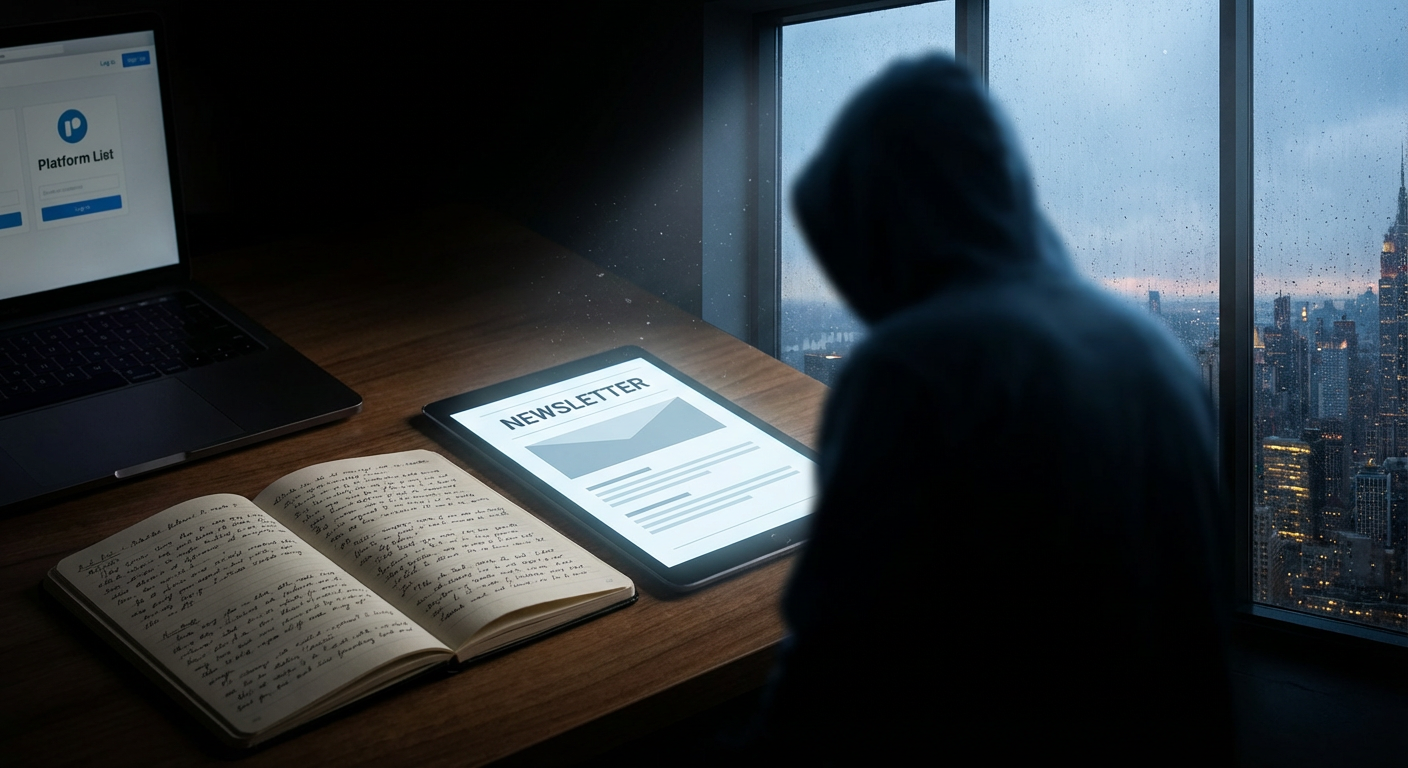
The Science Everyone Ignores When It Gets Inconvenient
Research consistently shows that handwritten journaling reduces cortisol levels and improves working memory. These aren’t feel-good platitudes from wellness influencers. These are measurable changes that happen when you engage in sustained, reflective writing without digital interference.
The evidence for gratitude journaling specifically beats other positive psychology interventions in randomized controlled trials. Yet most people would rather scroll through motivational quotes than spend ten minutes writing down three things they’re actually thankful for. The disconnect between what works and what we do reveals our addiction to passive consumption over active engagement.
Meanwhile, the bullet journaling trend has spawned a $200 million market in specialty stationery and planners. People are literally buying their way into productivity theater instead of doing the simple work of putting pen to paper consistently. The aesthetic has become more important than the practice itself.
Why Your Thoughts Need More Space Than Social Media Allows
Character limits and algorithmic feeds have trained us to think in soundbites. Complex emotions get reduced to emoji reactions. Rich experiences become Instagram captions. We’ve lost the ability to sit with ambiguity and contradiction, the very things that make us human.
Real meaning-making requires space to be wrong, to contradict yourself, to explore ideas without immediate judgment or feedback. Social media platforms actively discourage this kind of thinking because it doesn’t drive engagement. Uncertainty doesn’t go viral. Complexity doesn’t convert.
This is why therapy-adjacent journaling prompts rack up millions of views on TikTok while actual therapeutic journaling happens in private, away from cameras. The performance of self-awareness has replaced the practice of it. We’ve confused consuming content about emotional intelligence with actually developing it.
The Personal Blog Renaissance Nobody Talks About
Something interesting is happening in the corners of the internet. People are quietly returning to personal blogs, reclaiming their narratives from algorithmic feeds. Platforms like Substack and Ghost are seeing explosive growth in long-form personal essays, which tells me there’s real hunger for authentic storytelling that social media can’t satisfy.
This mirrors what The Marginalian long-form writing has always understood: depth takes time. Real insights emerge through extended reflection, not rapid-fire posting. The writers finding audiences on these platforms aren’t chasing trends or optimizing for shareability. They’re doing the slow work of making sense of their experiences.
The habit formation experts like James Clear habit building consistently emphasize systems over goals, process over outcomes. Journaling embodies this philosophy perfectly. The value isn’t in any single entry but in the cumulative effect of regular self-examination. Yet we keep looking for immediate returns on what is fundamentally a long-term investment.
The Uncomfortable Truth About Making Meaning
Making meaning isn’t comfortable. It requires confronting the gaps between who you think you are and who you actually are in your daily choices. It means acknowledging that your neat personal narratives often don’t match the messy reality of your behavior. Most people prefer the illusion of self-knowledge to the work of actually developing it.
Digital platforms make it easy to curate an identity without doing the internal work to understand what that identity actually means. You can reblog quotes about authenticity while avoiding authentic self-examination. You can share vulnerability without being vulnerable. You can perform growth without actually growing.
Real journaling forces you to confront these contradictions. It creates a record of your actual thoughts over time, making it impossible to maintain comfortable delusions about your consistency or wisdom. This is why most people abandon the practice after a few weeks. It’s easier to consume inspiration than to generate insight.
The path forward requires choosing discomfort over convenience, depth over speed, and private growth over public performance. Your thoughts deserve better than the confines of someone else’s platform. They deserve the full space of sustained attention, the luxury of being wrong, and the time needed to discover what you actually think about your own life. The only question is whether you’re willing to give them that space.