The Sound of a Moment
A year ago, TikToker Lukas Battle posted something that seemed too obvious to catch fire: the radical idea that you could simply tell people you couldn’t afford things. No elaborate excuses. No vague references to being “tired.” Just the truth, stated plainly. Loud budgeting was born, and by the time January 2025 rolled around, search interest for the term had peaked. It was everywhere. Your mom was talking about it. LinkedIn posts made it sound revolutionary. Financial advice columns treated it like a breakthrough.
But here’s what I kept noticing while watching this trend unfold: a lot of people were talking about being broke. Really loudly. And yet somehow, we weren’t getting less broke.
What Actually Happened to Our Wallets
The numbers tell a story that doesn’t quite match the narrative. Yes, there’s real evidence that loud budgeting shifted something in the social consciousness. According to Bankrate’s annual money and relationships survey, 42% of Gen Z respondents said they’d openly declined social plans because of cost in the past year. That’s a meaningful jump from the 31% who reported doing this just two years earlier. People were absolutely getting louder about their financial limits.
But then I looked at the actual spending data, and here’s where it gets messy. Credit card debt among young adults reached $1.14 trillion collectively in late 2024. A record high. Not a decline. Not even a plateau. The people saying no to brunch were still drowning in the same amount of debt as before. The conversation changed. The behavior largely didn’t.
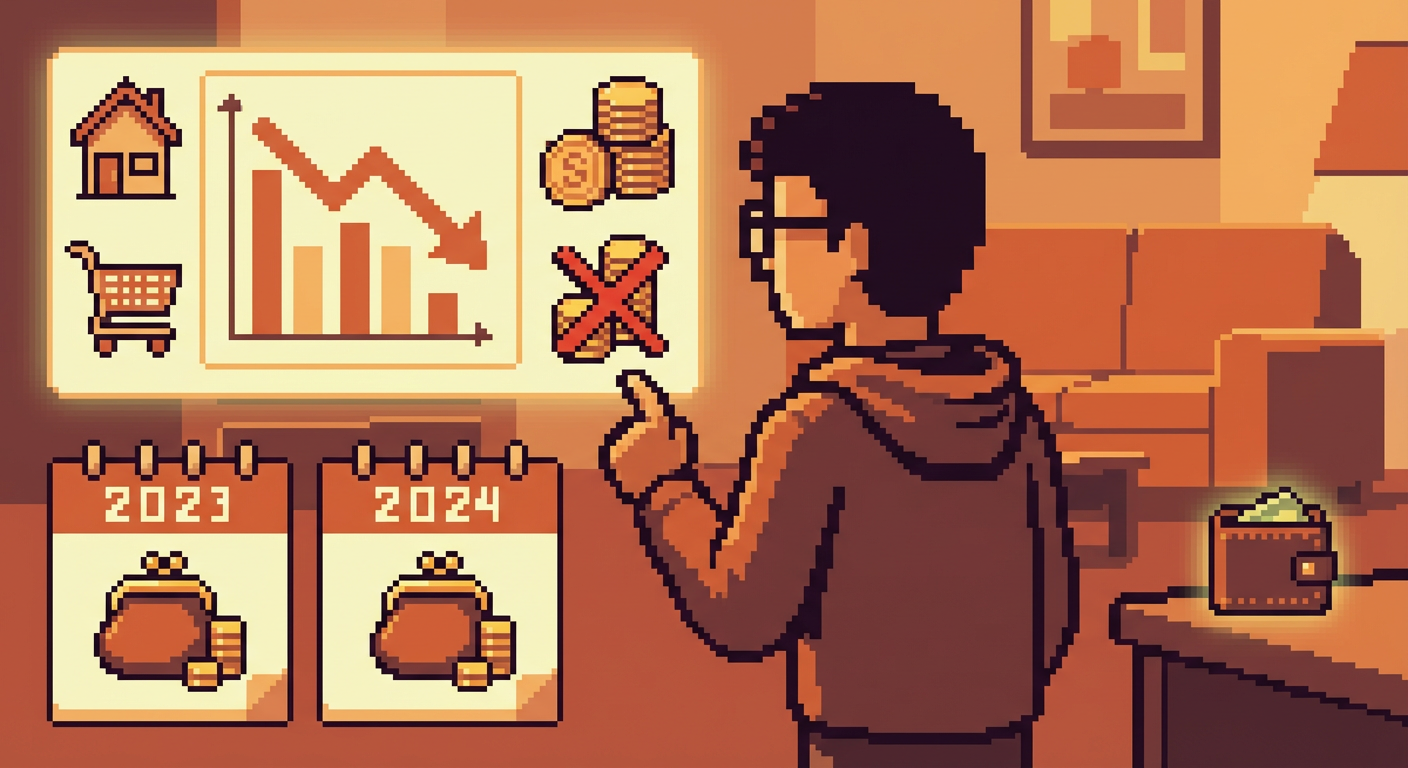
According to NerdWallet’s consumer spending analysis, the average American overspent their monthly budget by $314 in 2024, which was basically identical to 2023. We’re talking about a trend that went viral, became a cultural touchstone, and yet the actual overspending gap didn’t budge. Not even a little.
The Script Without the System
Financial therapist Amanda Clayman explained this gap perfectly in a February piece: loud budgeting works as a social script. It gives you language. It gives you permission. But here’s the catch, and this is the part nobody wants to hear, it only works if you actually have a budget underneath it.
Saying no to things you can’t afford is genuinely helpful. I’m not dismissing that. What I’m saying is that saying no is the easy part when you haven’t figured out where your money is actually going. You can loudly decline dinner plans and still rack up $314 in mystery overspending every single month. You can be the most vocal person in your friend group about your financial limits and still have $1.14 trillion in collective Gen Z credit card debt.
The movement had a blind spot: it treated speaking about money as if it were the same thing as controlling money. That’s not how it works. Loud budgeting became the confidence boost without the actual work. It was the motivational poster without the gym membership.
What It Got Right (And It Did Get Something Right)
I don’t want to be cynical about this. There’s actual value in what loud budgeting did, and I mean that genuinely. The destigmatization of talking about money is real. People stopped pretending to be fine when they weren’t. That’s not nothing. That matters for mental health and relationships.
The shift in how Gen Z talks about money happened. The shame decreased. People told their friends the truth. That created real moments of connection and honesty. Some people probably did spend less because they were confronted with their own limitations in a clearer way. Some relationships probably got stronger because people stopped keeping financial stress secret.
But the structural problems stayed intact. The systems that make it hard to spend less, subscription services that auto-renew, inflation that eroded purchasing power, the psychological manipulation embedded in every app and store, those didn’t care about a TikTok trend.
A Year Later, What Now?
I think we’re at the point where loud budgeting has to either deepen or fade. Right now, it’s mostly surface-level. It’s the conversation without the foundation. And that’s probably why the spending hasn’t changed even though the talking has gotten louder.
If you’re someone who jumped into loud budgeting this past year, I’m curious whether it actually shifted anything for you. Did saying no more confidently change your actual account balance? Did it lead you to build a real budget, not just a social excuse? Or did it just make it easier to decline plans while still overspending $314 a month on things you can’t quite identify?
The honest answer for most people is probably complicated. Some benefit. Some didn’t. Some just got more comfortable being broke while talking about it. That’s not a failure of the idea. It’s a reminder that language changes faster than behavior. Trends are good at making conversations louder. They’re terrible at making systems different. What matters now is whether we use this moment of permission and reduced shame to actually do the harder work underneath. That’s the part nobody’s trending about, but it’s where the real change happens.