The Promise vs. The Reality
I downloaded my first dopamine menu template on a Monday morning in March with the kind of hope you feel when you’re convinced this time will be different. The concept is elegant: instead of letting your brain hijack you into scrolling TikTok when motivation dips, you pre-plan a menu of rewarding activities. Read three chapters, then watch one episode. Finish the email thread, then take a walk. It’s supposed to be a circuit breaker between avoidance and productivity, a way to give your nervous system what it’s actually craving instead of what the algorithm is pushing.
Jessica McCabe, an ADHD coach, popularized this method, and by 2025 it had reached that sweet spot where every productivity newsletter was talking about it and Google searches for “dopamine menu template” were hitting 2.1 million monthly queries. The research looked promising too. A meta-analysis in the Journal of Attention Disorders found that structured reward scheduling improved task initiation in adults with ADHD by 38 percent. Thirty-eight percent! I printed that statistic and stuck it on my monitor.
I also didn’t read the part where effectiveness dropped to 12 percent without an accountability partner. That detail felt like fine print. I figured I’d be different.
Days 1-15: When Everything Works
The first two weeks were genuinely good. My menu included things like: ten minutes of a specific podcast, a specific snack I actually liked, a walk around the block, a guilt-free scroll through Reddit’s woodworking community, calling a friend, making tea in a specific mug. I laminated it. I checked things off. My brain felt like it had been handed a legitimate contract.
The structure helped. Knowing exactly what came next after I hit send on that report wasn’t a mystery anymore. It was promised. My dopamine receptors apparently appreciated the predictability. I got actual work done. Real, tangible work that didn’t require me to negotiate with my own brain for every five-minute increment.
This is the part everyone blogs about. This is the part that sold 4,000 to 8,000 dollars worth of Notion templates to people every month in 2025. It was working. I was the success story I wanted to be. I even texted my sister about it.
Days 16-45: When the Menu Becomes the Procrastination
Around day 16, something shifted. I started checking my menu before I’d actually earned anything. Just looking at it. Planning my reward instead of doing the work that was supposed to unlock it. I’d open my task list and think, “Well, when I finish this, I could listen to that podcast episode,” except I’d already listened to the podcast episode yesterday to test it out.
Then came the substitutions. I’d complete 60 percent of a task, decide I’d done enough, and claim my reward anyway. The structure became a negotiation. I was using the menu backwards, letting it justify stopping early instead of pushing through.
The Tuesday that became a four-hour competitive Tetris session is logged as entry number seven on my spreadsheet. I had thirty minutes blocked for admin work. My menu had “15 minutes of video games” listed after tasks. I opened Tetris to test if it was actually fun. It was so fun. Shockingly fun. I played until my fingers hurt and I’d missed a call from my accountant.
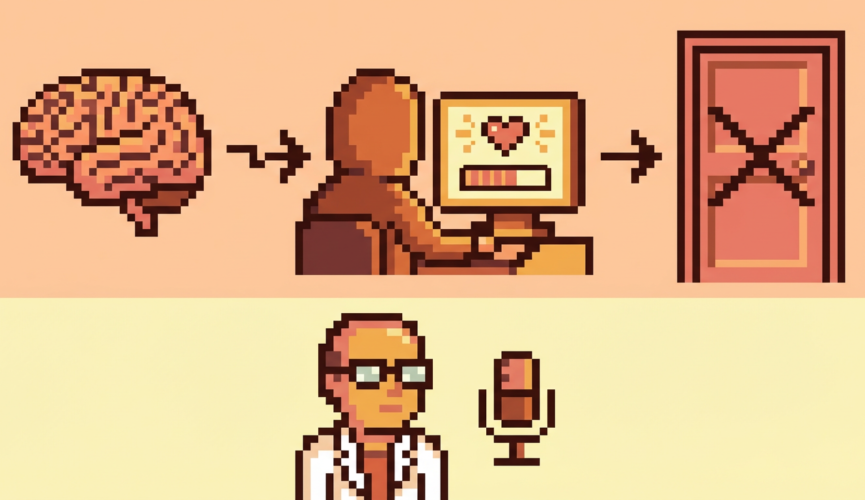
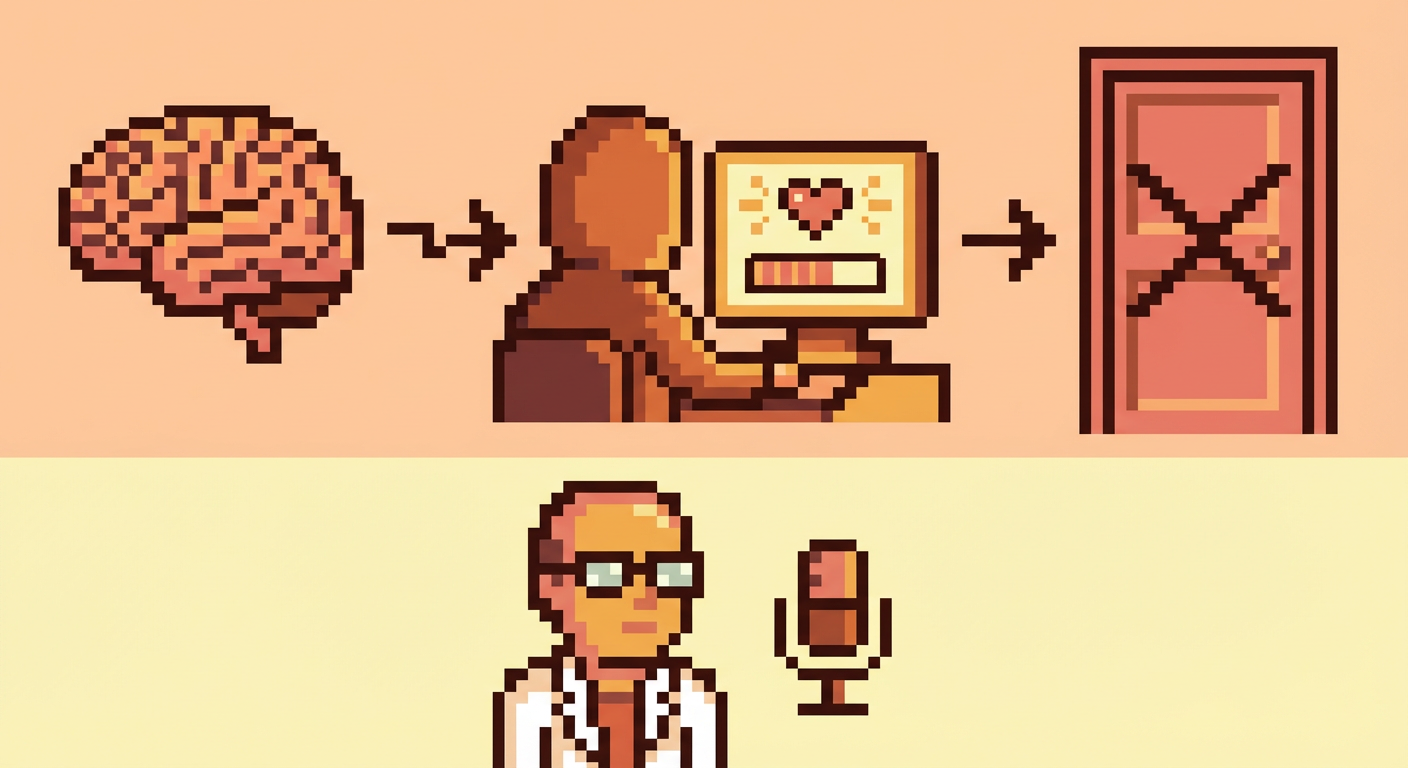
Dr. Anna Lembke, a neuroscientist and author, cautioned in a 2025 Stanford Health podcast that dopamine-scheduling techniques can actually reinforce avoidance patterns in about 30 percent of users who access rewards before completing work. I was apparently in the 30 percent. The menu wasn’t regulating my dopamine. It was giving me permission to chase it.
Days 46-60: The Honesty Section
I kept detailed logs because I promised myself I would. Twenty-three documented instances where picking a menu item led directly to not finishing the work it was supposed to support. That’s more than one every three days. Some days I’d cycle through the entire menu like I was working the vending machine. Podcast. Walk. Snack. Reddit. Back to the task for four minutes. Call it a day.
The research that looked so promising started making more sense when I actually read it carefully. The How ADHD Loves Us dopamine menu explainer mentions that having someone else checking in matters. Accountability, apparently, is not an optional feature. It’s the feature. I was trying to be my own accountability partner and I was terrible at it because I had every reason to let myself off easy.
I also realized I’d been using the menu as a substitute for actually fixing the underlying problem, which was usually that the task itself felt too overwhelming or unclear. The menu was a band-aid that only stuck when the wound wasn’t too deep.
What Actually Stuck
This is where I’m supposed to land on some wisdom about how to properly use the dopamine menu, right? Here’s the thing: the method isn’t broken. The method requires things I didn’t have. Specific accountability. A coach, a partner, someone who could see my menu and call me out when I was cheating it.
What did work over those 60 days: breaking tasks into smaller pieces before the menu even entered the picture, having someone else know what I was supposed to be doing, and being brutally honest about whether a task needed restructuring instead of motivation.
The dopamine menu is a real tool with real research behind it. Just not the kind of tool that works if you’re trying to use it alone and you’re also the person who gets to decide when you’ve earned the reward. I needed friction. I needed someone saying, “Wait, did you actually finish?” I needed accountability that wasn’t just me staring at my own laminated spreadsheet.
Have you tried the dopamine menu? Did it work, or did it become another shiny system that fell apart? I’m genuinely curious where other people’s edges were with this one. Reply and tell me what actually helps you follow through.