The Setup: Why I Thought I Needed to Measure Everything
I ordered the Oura Ring 4 in November 2024, right after it launched. Not because I had a sleep problem that needed solving—or so I told myself. I slept fine. Seven, maybe eight hours most nights. I worked out regularly. I managed stress reasonably well. But there was this nagging feeling that I was missing something, that the gaps between how I felt and how I actually was had become too wide to ignore. So I spent $349 plus committed to the $5.99 monthly subscription, telling myself this would be the tool that finally made sense of my body’s signals.
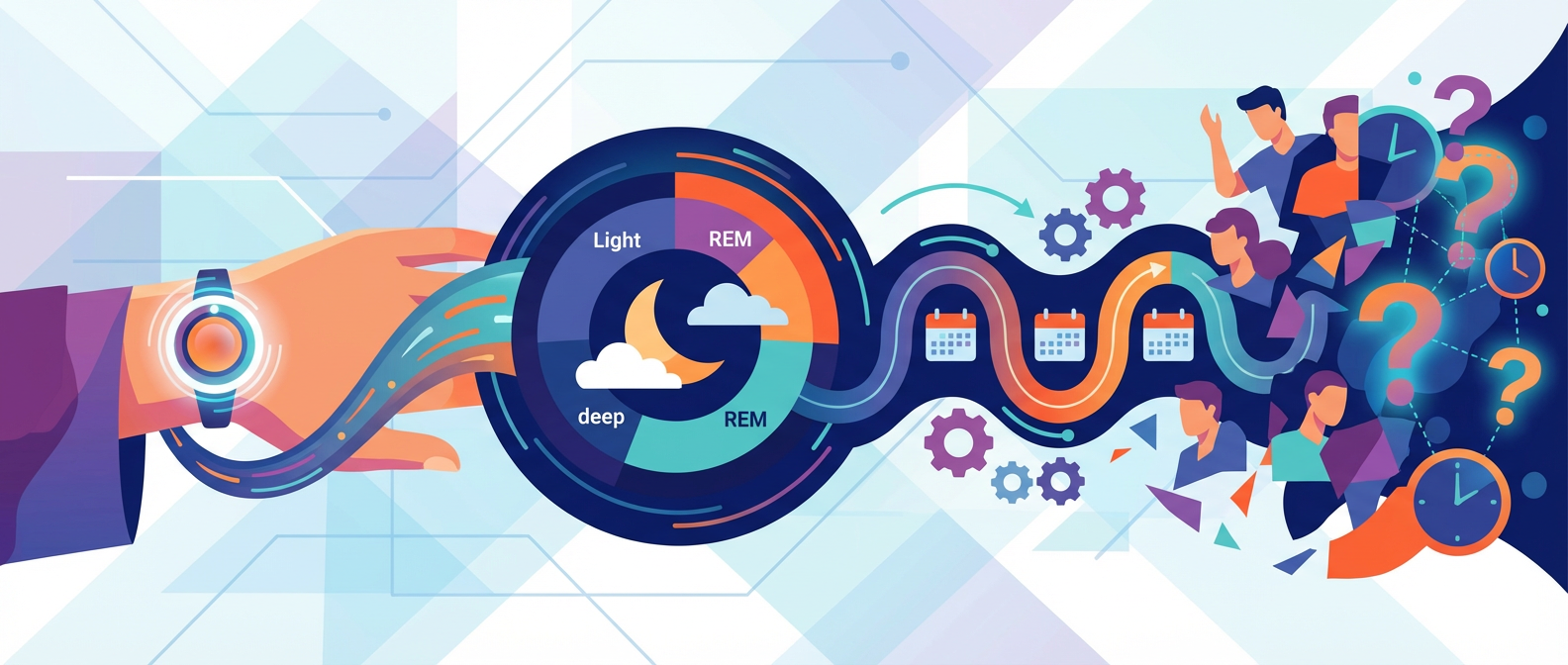
The ring arrived with the new cardiovascular age estimation feature and an updated resilience score that tracks recovery from both physical and emotional stress. These felt like legitimate upgrades from older models, not just marketing fluff. I was particularly drawn to the resilience metric because I’d been running on fumes emotionally without really naming it. I wanted to see it quantified. I wanted permission to rest, basically, but I wanted that permission to come from data.
What I didn’t expect was how uncomfortable that data would become.
The First Month: Feeling Validated Until I Wasn’t
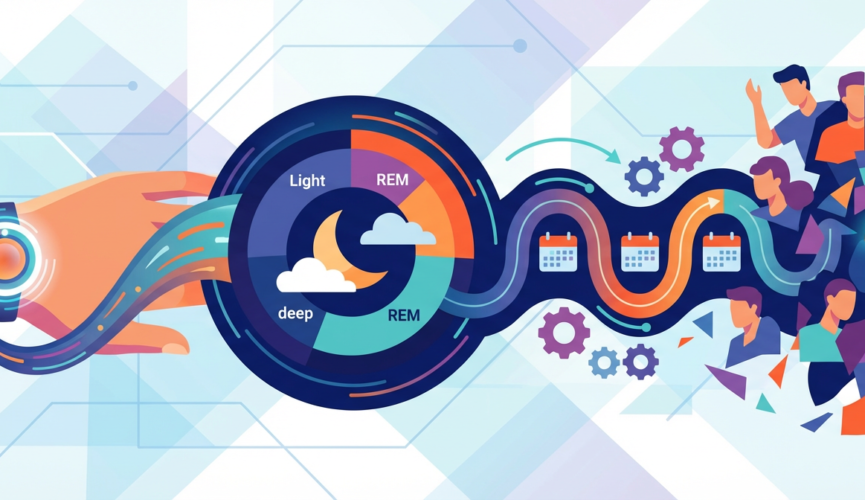
The first month was intoxicating. My Readiness Scores were mostly solid. The ring confirmed what I wanted to believe: I was doing well. I was managing. The visualization of my sleep architecture—the breakdown between light, deep, and REM sleep—was genuinely fascinating. I’d lie in bed checking last night’s numbers before I’d even had coffee. There’s something about seeing your body’s rhythms rendered in percentages and graphs that makes you feel like you’re finally taking it seriously.
I noticed the app encouraged engagement with daily Readiness Scores, and Oura’s 2025 health insights actually showed that users checking their scores daily ended up sleeping about 23 more minutes per night than people who just passively wore the ring. That statistic became my justification for opening the app obsessively. I was being proactive. I was optimizing.
By week four, something shifted. I started seeing patterns I didn’t want to see. My resilience scores tanked on days after difficult conversations at work. My sleep quality dipped when I pushed hard at the gym without adequate recovery days. These weren’t revelations exactly—I could feel these things happening to my body. But there’s a difference between feeling something and seeing it displayed as a score that doesn’t meet your expectations.
Months Two and Three: When the Mirror Gets Uncomfortable
Here’s where I have to be honest. I got mad at the ring. Not because it was broken, but because it was accurate. A 2025 study published in JAMA Internal Medicine validated that the Oura Ring 4 achieves 79% accuracy in identifying sleep stages, the highest of any consumer device tested. I kept reading that statistic like it was a personal accusation. The device wasn’t lying to me. My body was the problem.
The data showed I was sleeping less than I thought I was. Not dramatically less, but inconsistently. Some nights I’d get a 9.5-hour readiness score after seven hours of actual sleep because the quality was excellent. Other nights I’d clock eight hours and feel destroyed because the ring flagged fragmentation. What I realized was that I’d been using a mental estimate of my sleep quality for years, and that estimate was wildly unreliable. The ring didn’t create the problem. It exposed it.
I started seeing how emotional stress showed up in my body before I consciously registered it was there. The resilience score would drop, cardiovascular age would tick up slightly, and I’d think, “Wait, what am I actually stressed about right now?” Then I’d sit with that question and realize something I’d been avoiding. The ring became this uncomfortable feedback loop where I couldn’t pretend anymore that feelings weren’t physiological.
I also came across the Reddit threads in r/ouraring about the subscription model, people frustrated about paying $5.99 monthly to access their own data more fully. Some threads got heated about whether $349 for the ring plus ongoing fees was worth it. I couldn’t totally dismiss their point. But by month three, I was too deep in the data to care about the cost conversation. I needed to keep looking.
The Middle Stretch: Confronting the Bigger Picture
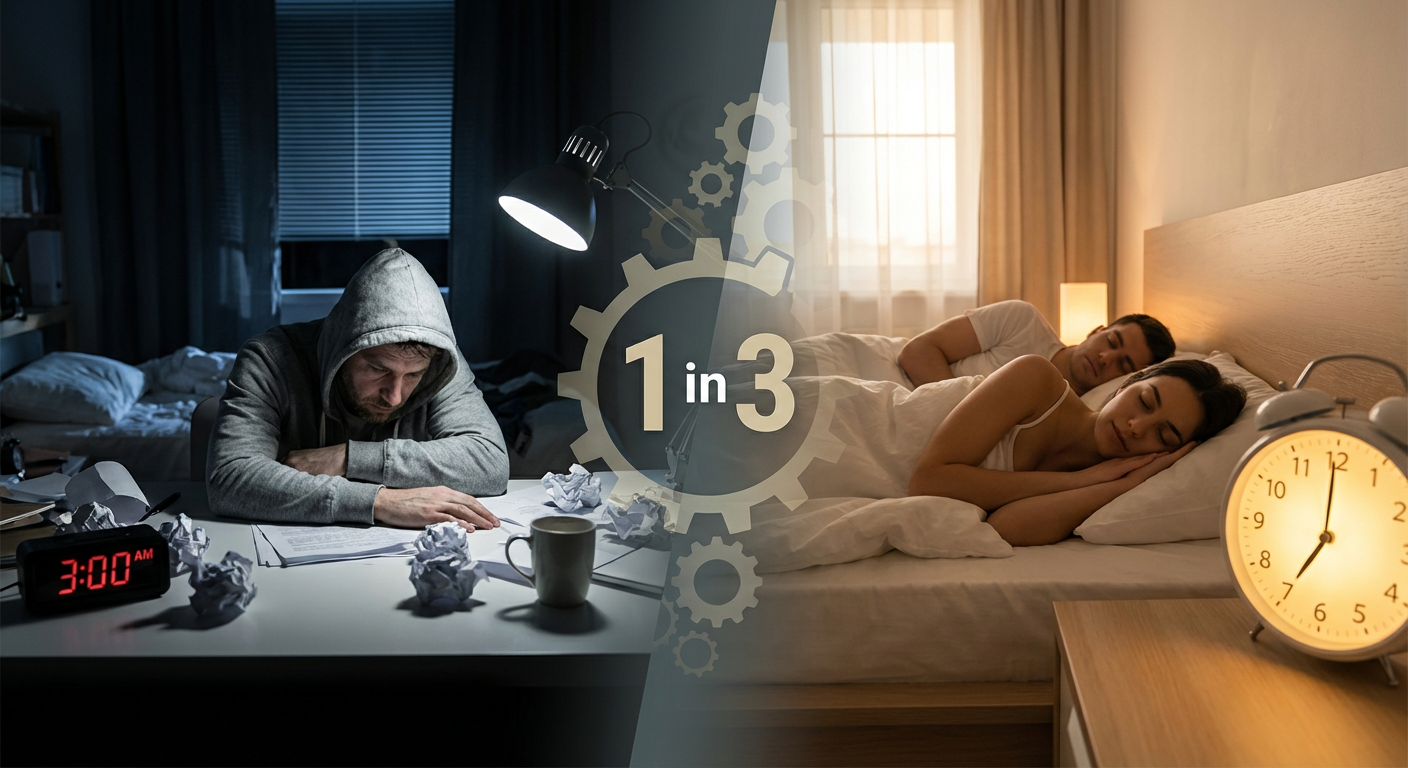
Around month four, I looked up what the CDC actually says about sleep in America. According to their data, 1 in 3 American adults regularly get less than the recommended 7 hours of sleep. That number has stayed basically the same since 2016, unchanged even as the wellness industry exploded and everyone started tracking everything. Even with wearables. Even with rings. Even with all of us checking our Readiness Scores obsessively.
That statistic hit differently after six months of data. It wasn’t just a fact to nod at. It was evidence that knowing isn’t the same as changing. I had the most detailed sleep information available to a consumer. I could see my sleep stages in real time. I could watch my resilience responding to my choices. And yet some nights I was still choosing to sleep five hours because I had a deadline. The data didn’t stop me. It just made me feel worse about the choice while I was making it.
What the ring actually gave me wasn’t a solution. It gave me clarity about what I was actively avoiding. I was treating sleep like a nice-to-have instead of a foundational requirement. I knew that intellectually, but the ring made it impossible to know it only intellectually. It became embodied. I could see the cardiovascular age ticking up when I didn’t prioritize rest. I could watch my resilience deteriorate when I pushed through stress without processing it. The ring wasn’t solving anything. It was just refusing to let me pretend everything was fine.
Six Months Later: The Uncomfortable Truth
Here’s what I’m not going to do: tell you that wearing the ring for six months changed my life and now I sleep perfectly and have perfect resilience scores and everything is optimized and wonderful. That’s the false resolution the wellness industry loves to sell. Real life is messier.
What actually happened is slower and stranger. I stopped checking the app compulsively at about month five. Not because I stopped caring, but because I realized I was using the data to punish myself rather than inform myself. I’d see a low score and spiral instead of asking what I actually needed. The ring was accurate but I wasn’t good at translating accuracy into self-compassion.
So I use the ring differently now. I check it maybe twice a week instead of twice a day. I notice the patterns without trying to optimize every variable. I see when my body needs rest and I’m actually better at honoring that, though I still struggle. The resilience tracking is genuinely useful. I can see stress accumulating before I burn out completely, which gives me small windows to actually do something about it.
The ring is still sitting on my finger as I write this. It’s still tracking, still measuring, still delivering uncomfortable data. I still don’t love seeing low scores. But I’ve made peace with what the data actually is: not a judgment, not a target to hit, not proof that I’m winning or losing at life. Just information. What I do with that information is still entirely up to me, and that, the actual uncomfortable part, won’t fit on a wearable device.
If you’ve been considering the Oura Ring 4 Official Features Overview, know what you’re getting into. You’re getting data. Real, accurate data. Whether that data leads to change depends entirely on you, and honestly, it’s hard work. The CDC Sleep and Sleep Disorders Data will tell you that most people don’t do that work even when they have the information. But some do. Maybe you will.
What patterns have you noticed in your own sleep or recovery? I’m genuinely interested in how this looks for people who actually make changes stick.